Brickinfo English
Living in Pattaya, a Renter’s Guide for Foreigners

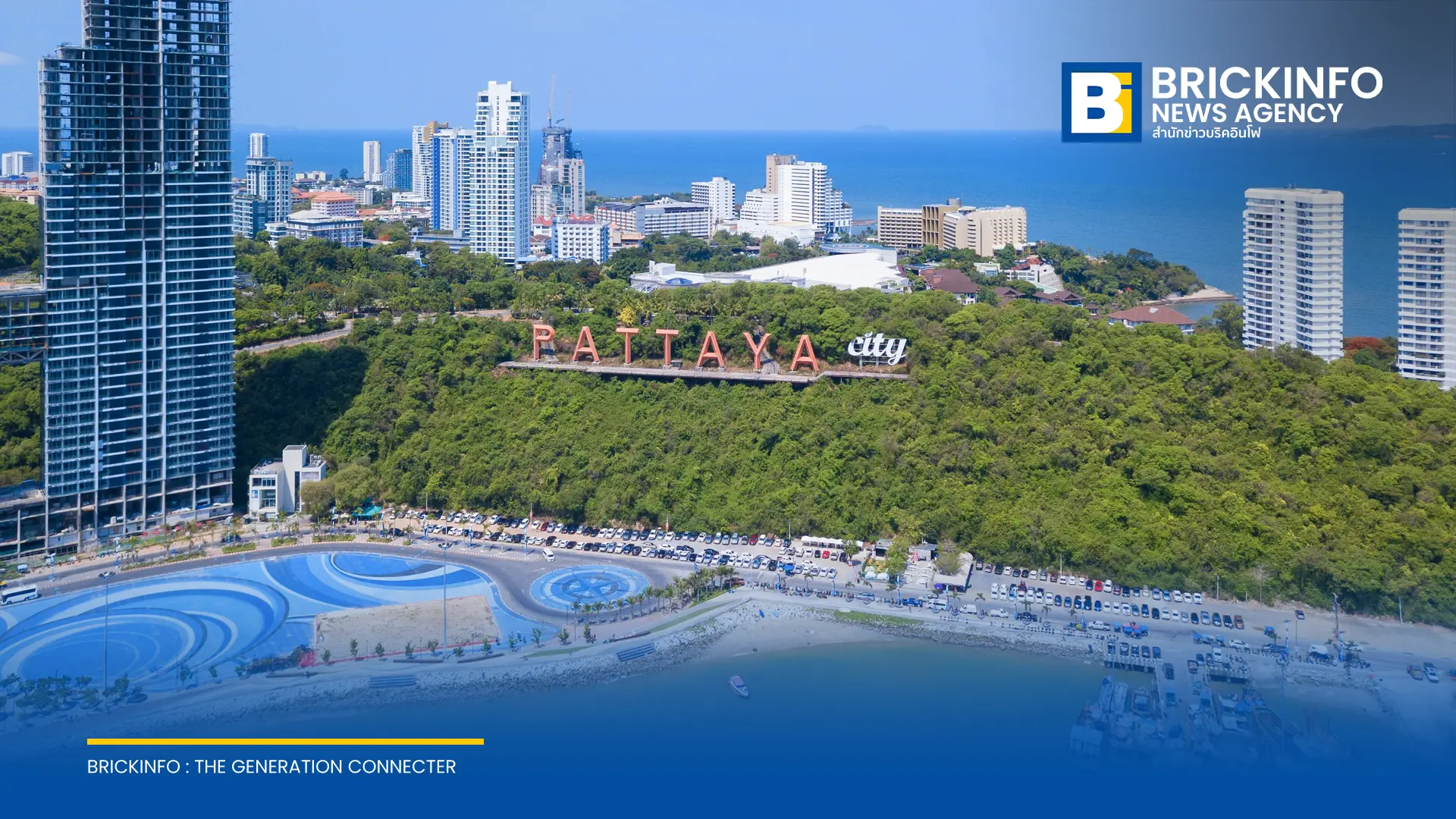
- Pattaya offers one of Thailand’s most accessible and affordable rental markets for foreign residents, with a wide range of condominiums and private villas across established residential areas at significantly lower prices than Bangkok or Phuket.
- Popular rental areas for long-term foreign residents include Jomtien Beach, Pratumnak Hill, Na Jomtien, North Pattaya, and Central Pattaya, each with distinct character, proximity to the sea, and cost profiles.
- Foreigners cannot own land in Thailand but may rent both condominiums and villas on standard lease agreements, typically structured as monthly rolling or annual fixed-term contracts.
- The rental process for foreigners in Pattaya typically requires a valid passport, proof of visa status or long-term residency documentation, and a security deposit of one to three months rent alongside the first month payment.
- Thailand Privilege Card provides the multi-year long-term visa stability that gives foreign residents the residential commitment and confidence needed to negotiate better rental terms and build a settled life in Pattaya.
All Thailand Privilege Card membership tiers grant long-term visa status only. Members are not permitted to work or study in Thailand under their membership.
What Makes Living in Pattaya Work for Long Term Stays
Pattaya has long attracted foreign retirees, long-term expats, and seasonal residents with one of Thailand’s most accessible and affordable rental markets. Living in Pattaya as a foreign resident means access to a broad property spectrum, from compact city condominiums suited to solo retirees through to large private pool villas in quieter residential estates, all at price points that comfortably undercut Bangkok and Phuket equivalents. This practical renting in Thailand guide covers the rental market, the most popular residential areas, the process for foreign renters, and how Thailand Privilege Card membership provides the residency foundation that makes long-term renting a straightforward and well-supported arrangement. For those considering retiring in Thailand and evaluating Pattaya as a base, the city’s ease of access from Bangkok, approximately two hours by road, its extensive expat community infrastructure, and its competitive rental market make it one of the more practically compelling coastal options in the country.
Types of Rental Properties Available in Pattaya
Condominiums
Condominiums are the most common rental choice for foreign residents living in Pattaya, particularly those arriving without a long-established local network. Pattaya’s condominium market spans studio and one-bedroom units in central towers suited to retirees or individuals, through to larger two and three-bedroom units in higher-end developments with sea views, pool access, and fitness facilities. Monthly rents vary significantly by location, floor level, building age, and furnishing standard. Fully furnished units with air conditioning are the standard market expectation.
Private Villas
Private villas with gardens and pools are available primarily in Pattaya’s outer residential areas, particularly around East Pattaya, Na Jomtien, and the quieter districts south of the city. Villas suit families and individuals who prioritize private outdoor space and a residential neighborhood environment over proximity to central Pattaya’s commercial and entertainment areas. Lease terms for villas are typically structured as annual fixed-term contracts, and rental prices reflect the significantly higher space and amenity standard relative to condominium units.
Popular Rental Areas for Foreign Residents in Pattaya
Jomtien Beach
Jomtien is the most popular long-term residential area for foreign retirees and expats, offering a quieter pace than Central Pattaya, a long sandy beach, a strong local expat community infrastructure, and a wide range of condominium options from affordable to mid-range. It is the natural first area to evaluate condos for rent for Bangkok expats looking beyond the capital for a coastal lifestyle at a more accessible price point.
Pratumnak Hill
Pratumnak Hill, situated between Central Pattaya and Jomtien, is regarded as one of Pattaya’s most desirable residential neighborhoods. It offers a mix of condominiums, private houses, and small villa developments in a relatively quiet, well-maintained area with strong sea views from elevated positions and access to quieter beaches below the hill.
Central and North Pattaya
Central Pattaya suits residents who want immediate access to the city’s commercial, dining, and entertainment infrastructure. Rental prices in centrally located developments are competitive, and transport access to the wider city is most convenient from this area. North Pattaya attracts residents seeking proximity to Siam Country Club and the city’s golf corridor, with a quieter residential character than Central Pattaya despite its convenience.
Na Jomtien and East Pattaya
Na Jomtien, south of Jomtien, offers newer villa and condominium developments in a lower density setting with direct sea access and a noticeably more relaxed residential pace. East Pattaya is the primary location for larger private villa rentals with gardens and private pools, suited to families and those who prioritize space and privacy over coastal proximity.
The Rental Process for Foreigners in Pattaya
The rental process in Pattaya is generally straightforward for foreign residents with valid documentation. A valid passport, evidence of visa status or long-term residency documentation, and a security deposit of one to three months rent alongside the first month payment are the standard requirements across most rental agreements. Lease agreements should be reviewed carefully before signing, particularly provisions covering early termination, deposit return conditions, maintenance responsibilities, and utility arrangement details.
Ownership Limitations and Lease Terms
Foreigners cannot own land in Thailand, which means villa rentals operate under standard lease agreements rather than ownership. Leases longer than three years must be registered with the Land Department to be legally enforceable. For long-term residents, annual fixed-term leases renewed annually or structured as three-year registered leases provide the most secure rental arrangement. Thailand Privilege Card’s multi year visa validity makes securing longer lease terms and negotiating favorable rental conditions considerably more practical, as landlords are more confident committing to a resident with documented long-term legal status.
TM30 Registration Foreign residents renting accommodation in Thailand are required to be registered at their residential address through the TM30 process, which must be filed with the local immigration office within 24 hours of arrival at a property. Elite Personal Liaison (EPL) assists Thailand Privilege Card members with TM30 coordination and 90 day address reporting throughout the membership period, removing the most common recurring administrative burden of rental living in Thailand.
How Thailand Privilege Card Supports Long Term Renting in Pattaya
Long-term rental confidence rests on stable residency. Thailand Privilege Card provides multi year long-term visa validity from 5 to 20 years with no annual renewal, no income requirement, and no tied bank deposit obligation, giving members the documented legal status that landlords, property managers, and service providers respond to with confidence. Members can negotiate annual and multi-year lease terms from a position of residency certainty rather than the short-stay uncertainty that disrupts rental relationships for residents on rolling visa arrangements.
EPL coordinates TM30 registration, 90 day reporting, and government documentation. Elite Personal Assistant (EPA) delivers Airport VIP Services at Suvarnabhumi International Airport. Member Contact Center (MCC) provides 24/7 multilingual support for any assistance needed.
Thailand Privilege Card membership tiers are structured as follows.
- Bronze membership at THB 650,000 provides 5 year visa validity (*limited offer)
- Gold membership at THB 900,000 provides 5 year visa validity with 20 Privilege Points per year
- Platinum membership at THB 1,500,000 provides 10 year visa validity with 35 Privilege Points per year
- Diamond membership at THB 2,500,000 provides 15 year visa validity with 55 Privilege Points per year
- Reserve membership at THB 5,000,000 provides 20 year visa validity with 120 Privilege Points per year
Platinum, Diamond, and Reserve tier members may add qualifying family members through a supplementary membership*, with updated 2026 pricing as follows.
- Platinum Next Member: THB 1,000,000
- Diamond Next Member: THB 1,500,000
- Reserve Next Member: THB 2,000,000
*Supplementary membership is available as a limited offer.
Important notice All Thailand Privilege Card membership tiers grant long-term visa status only. Members are not permitted to work or study in Thailand under their membership.
Pattaya Renting Is Easier When Your Residency Is Settled
The best rental arrangements in Pattaya go to residents who can demonstrate committed, legally documented long-term status. Starting with Thailand Privilege Platinum Card, explore how Thailand Privilege Card membership gives foreign residents the residency foundation, administrative support, and visa stability to negotiate, rent, and settle into Pattaya life with confidence. Learn more at thailandprivilege.co.th
Please note that all Thailand Privilege Card membership fees, benefits, and offers mentioned in this article are subject to change. For the most current pricing and terms, please visit the official Thailand Privilege Card website or contact Member Contact Center (MCC) directly.