Brickinfo English
Gartner Reveals Top Strategic Predictions for 2027 and Beyond Highlighting Impact of AI Transformation

Brickinfo News Agency – Gartner, Inc. has released its top strategic technology predictions for 2027 and beyond, identifying structural shifts driven by artificial intelligence (AI) across public services, workforce models, cybersecurity, software development, and energy infrastructure. The projections cover three overarching themes: robots everywhere, cost to value, and unknown unknowns.
According to Daryl Plummer, Distinguished VP Analyst and Gartner Fellow, foundational systems spanning government operations to corporate energy models will undergo significant changes over the next decade. Gartner emphasized that organizational resilience will depend on balancing technological execution with risk governance.
Gartner's strategic projections highlight key operational, financial, and regulatory shifts:
Surge in Autonomous Agents Impacting Public Services
By the end of 2030, more than 10 billion autonomous agents deployed by individuals, enterprises, and public entities are projected to interact with government systems. This rise in automated applications and claims will strain legacy administrative frameworks, necessitating upgraded digital verification systems and scalable infrastructure to process AI-mediated requests.
Adoption of Physical AI in Front-Line Operations
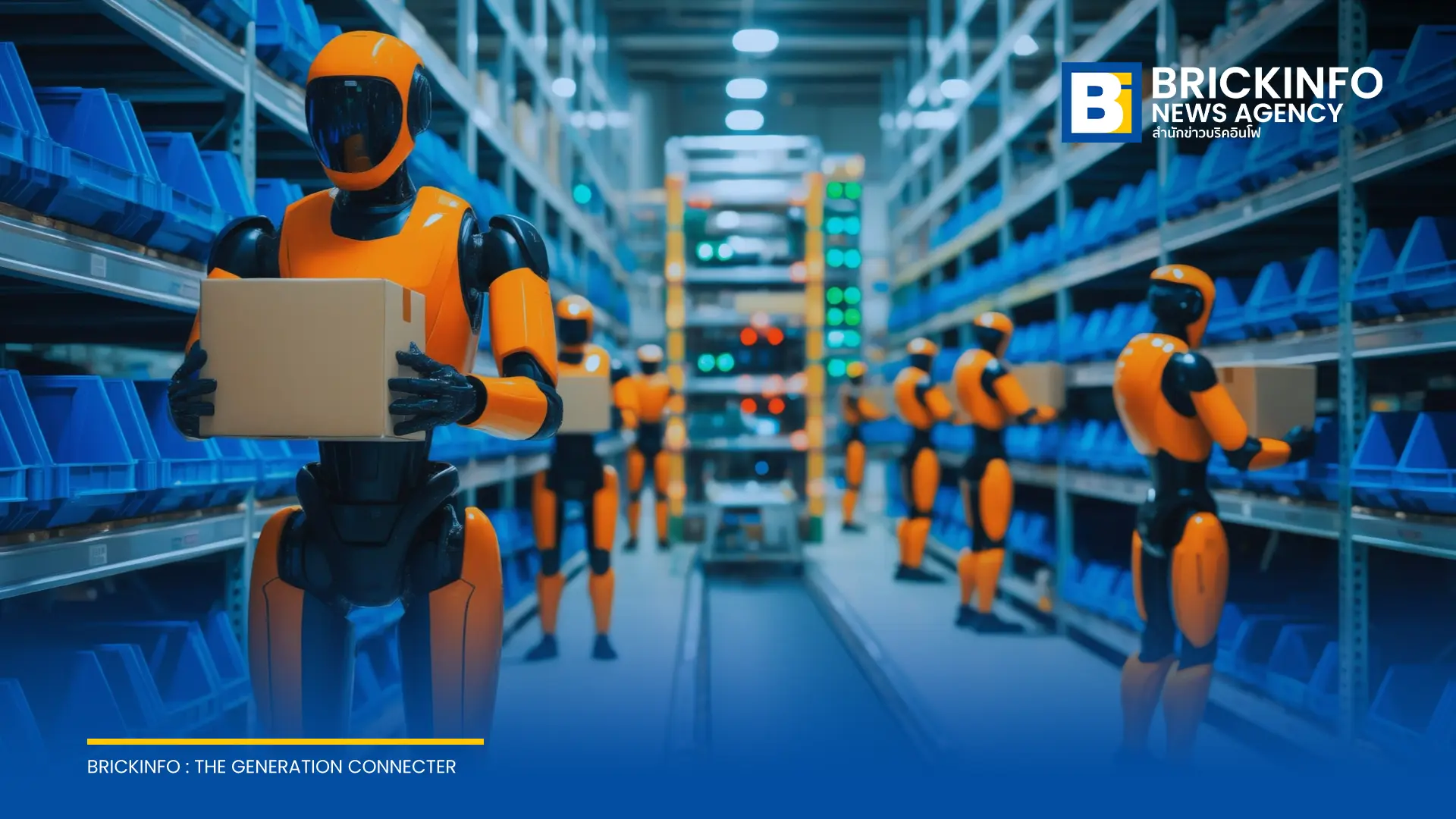
By 2030, an estimated 80% of front-line employees at international corporations will work alongside physical AI systems, including robotics, autonomous vehicles, and automated sensing platforms. Organizations are advised to implement safety-focused governance models and operational infrastructure to support deployment across high-risk or manual environments.
Emergence of AI Cost Exhaustion Cyberattacks
By 2030, Gartner projects that 80% of organizations operating public-facing AI will face cost exhaustion attacks, where automated threat actors intentionally generate excessive API requests to trigger financial strain through inflated token consumption. Mitigation requires integrating inference costs directly into cybersecurity monitoring and runtime controls.
Short-Cycle Disposable Enterprise Applications
By 2029, 80% of newly developed applications are expected to be intentionally disposable, maintaining active operational lifespans of less than 12 months. With AI accelerating application creation by business units, enterprises face heightened data compliance, access control, and registry management demands.
Enterprises Entering Grid Power Markets
By 2030, an estimated $10 trillion in enterprise-owned energy generation and storage assets will position Global 2000 firms as independent electricity suppliers. Driven by the energy requirements of AI data centers, companies will increasingly trade power to utility grids, requiring software-defined energy management systems.
Insurers Establishing AI Operational Governance
By 2030, commercial insurers are projected to supersede government regulators in enforcing AI governance standards. Underwriters will mandate verified risk-mitigation architecture, runtime telemetry, and direct system controls as conditions for liability insurance coverage.
AI-Driven Market Differentiation
By 2029, 25% of Global 500 enterprises are projected to establish continuous, componentized AI product models, reducing the viability of legacy "fast follower" competitive strategies. Success will rely on proprietary data pipelines and agile product delivery frameworks.
Tracking AI Cost to Direct Business Value
By 2029, 60% of enterprises deploying AI solutions are expected to maintain formal business units tasked with aligning total AI expenditure with direct revenue and profitability. Tracking token consumption against business metrics will become standard procedure to ensure measurable returns.
FinOps Controls Implemented at Inference Runtime
By 2028, 60% of Global 500 organizations are projected to integrate AI FinOps controls directly at the inference layer. Shifting from retrospective budget reporting to real-time execution controls will allow companies to manage cost-per-task variables dynamically.
CIOs Appointed as AI Evidence Custodians
By 2030, 80% of Global 500 corporations will contractually establish Chief Information Officers (CIOs) or Chief AI Officers (CAIOs) as designated Evidence Custodians, centralizing legal and regulatory accountability for automated decisions and digital records.