Brickinfo English
True Corporation Deploys Network Twin Technology to Simulate 5G Infrastructure and Expand Nationwide Connectivity


Brickinfo News Agency – True Corporation announced the deployment of Network Twin technology, an artificial intelligence-driven virtual simulation system designed to model telecommunications infrastructure and evaluate operational scenarios prior to physical rollouts across Thailand. The initiative supports the operator’s ongoing 5G expansion, covering high-density urban centers, industrial areas, remote communities, and maritime tourist routes such as the Andaman Sea.


The telecommunications provider reported serving 48.8 million mobile subscribers as of the third quarter of 2026, including 20.5 million 5G users. Average mobile data usage reached approximately 38 gigabytes per user per month during the first half of 2026, marking a 35 percent increase compared to levels recorded prior to the company’s amalgamation. To accommodate higher traffic, the operator is deploying 5G Standalone (SA) architecture alongside carrier aggregation technology across two, three, and four component carriers (2CC, 3CC, and 4CC) to increase bandwidth and data transfer rates.


Unlike traditional network monitoring platforms that only track active operational statuses and report faults, the Network Digital Twin creates a dynamic virtual model across the radio access, core, and transport networks. This environment enables telecom engineers to simulate capacity modifications, optimize spectrum allocation, assess power consumption, and identify potential equipment failures before applying adjustments to physical base stations.
Mr. Khurrum Ashfaque, Chief Network Officer of True Corporation Public Company Limited, stated that the system forms the operational basis for transitioning toward an autonomous network. “Network Twin will serve as an important foundation for transforming how True manages its network, moving beyond monitoring and troubleshooting toward simulating and evaluating scenarios before making changes in the real network,” Ashfaque said. “This will allow us to compare options, assess potential impacts and identify opportunities to optimize network performance more effectively, including signal quality, capacity, spectrum utilization and energy efficiency.”

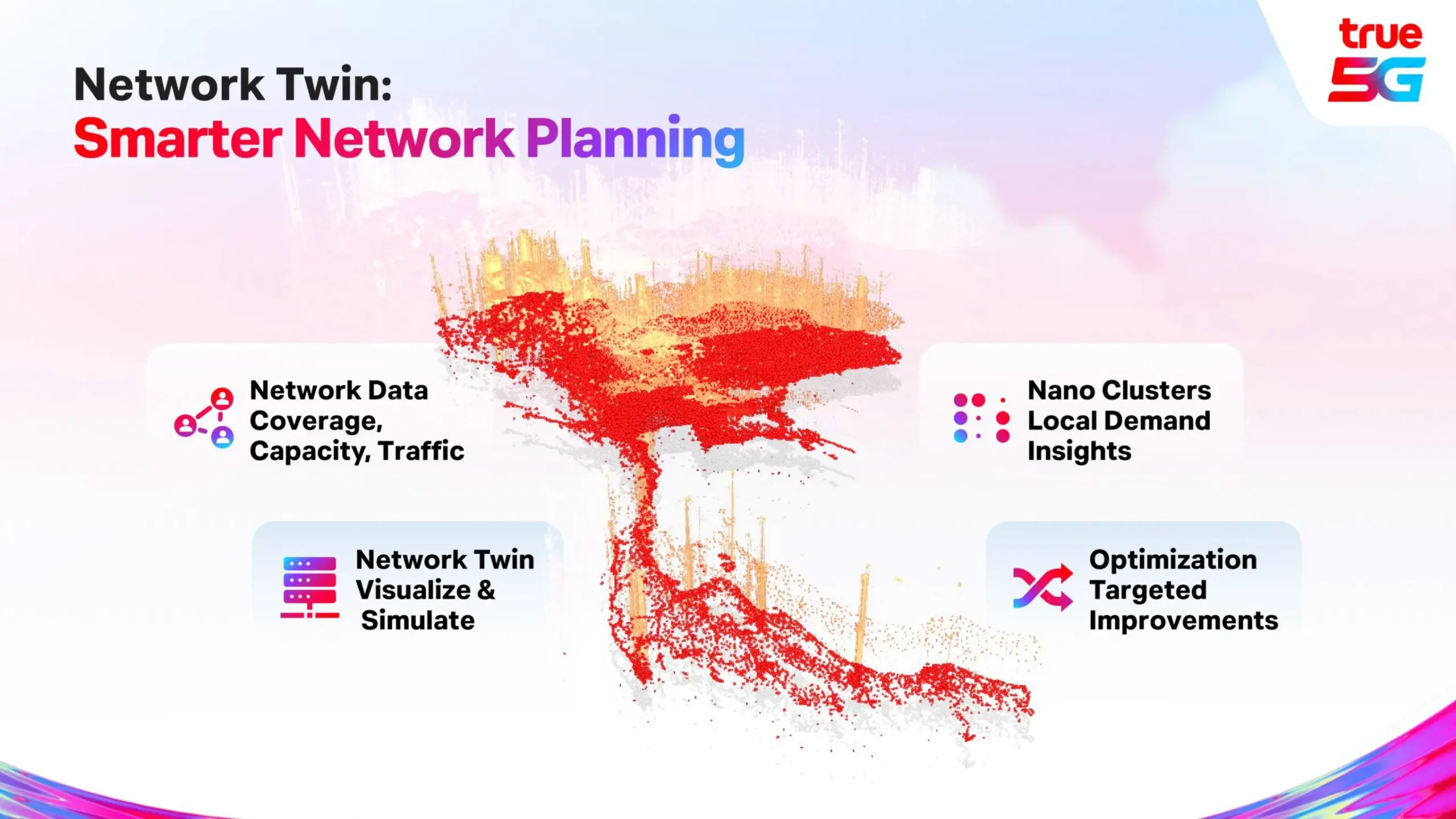
The architecture focuses on four functional capabilities: coverage and capacity simulation, operational impact assessment, resource and energy optimization, and scenario-based decision validation. True Corporation is also integrating this simulation layer into its Nano Cluster strategy, which evaluates network demand at granular, localized levels to address fluctuating conditions in commercial hubs, residential areas, and seasonal tourist destinations.
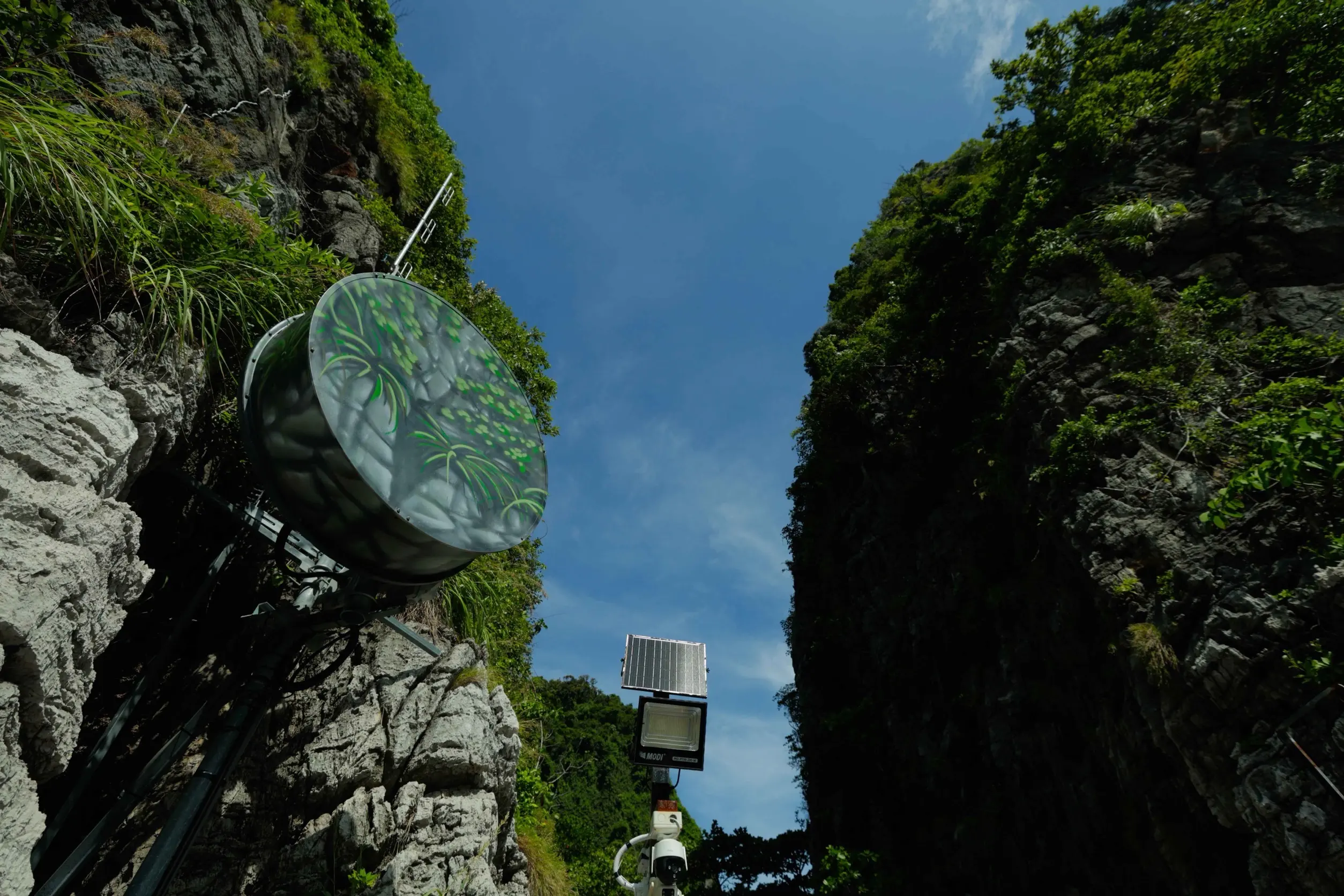
In southern coastal areas subject to tourism fluctuations, the company has implemented infrastructure modifications tailored to environmental constraints. At Maya Bay on the Phi Phi Islands in Krabi Province, 5G base stations were activated using microwave backhaul links to avoid laying physical fiber-optic cables through protected marine conservation zones, using camouflaged installations to minimize visual and environmental disruption.