
ข่าว
Thailand Tightens Drone Regulations with Mandatory Training and Online Registration Starting May 17

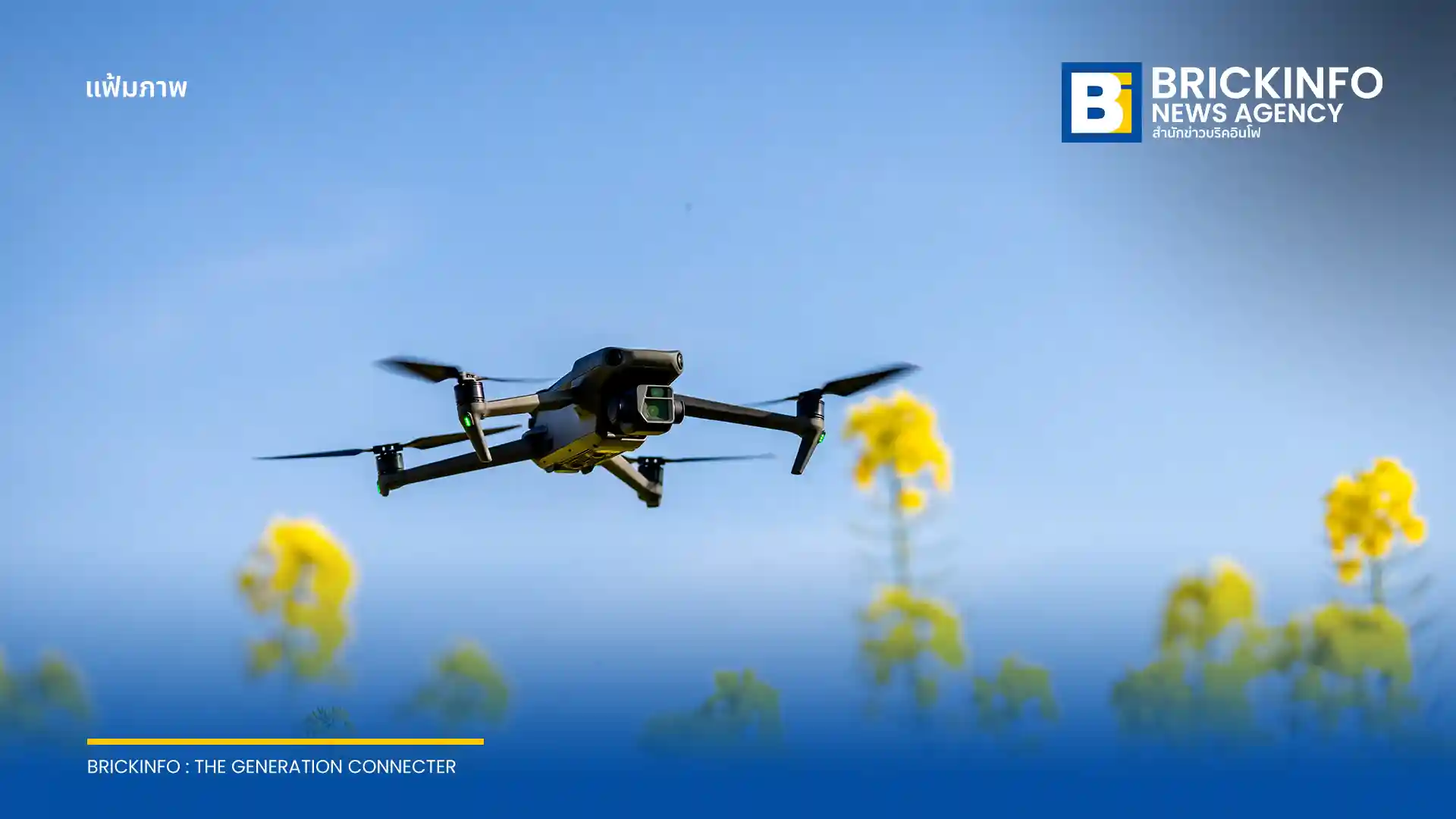
Brickinfo News Agency – The Thai government is implementing a major overhaul of drone regulations to enhance safety standards and support the growing commercial use of unmanned aircraft. Starting May 17, 2026, new rules mandated by the Civil Aviation Authority of Thailand (CAAT) will require operators of drones weighing up to 25 kilograms to undergo certified training, register their hardware electronically, and obtain flight permits through a streamlined online system. These updates aim to transition the industry toward a more structured Specific Category for medium-risk operations, replacing the decades-old framework from 2015.
Ms. Lalida Periswiwattana, Deputy Government Spokesperson, stated that these measures are designed to accommodate increasingly complex drone activities, such as commercial filming, surveying, and specialized aerial tasks. Under the new guidelines, all drone controllers must complete a CAAT-certified training course covering aviation laws, air traffic rules, and risk management. Furthermore, every drone must be registered electronically and display a standardized registration number (XX-NN-NN-NNNN) in a clear, contrasting format to ensure efficient tracking and identification.
A significant shift in the 2026 regulations is the transition from a paper-based process to a fully online flight permit system. Operators are now required to submit detailed flight plans, including purposes, coordinates, and insurance documentation, for approval prior to each operation. While the third-party insurance requirement remains at a minimum coverage of 1 million THB, the operator’s permit validity has been extended from two years to five years, requiring renewal at least 30 days before expiration.
The new policy also differentiates between general use and the Specific Category, which involves higher risks. For these operations, the CAAT may require additional documentation, such as flight manuals, risk management plans, or even practical flight demonstrations. Those currently holding permits under the 2015 regulations can continue their operations until their licenses expire; however, they must comply with the new criteria if their activities fall under the “Specific Category” definition.
Regarding the government’s stance on technology, Ms. Lalida noted, “The government supports the use of drones for the digital economy, innovation, agriculture, creative media, and modern business sectors. However, this must be based on international safety standards and social responsibility to build sustainable confidence in shared technology.”
