Brickinfo English
Thailand Prepares Clean Energy and Infrastructure to Seize AI-Driven Economic Opportunities

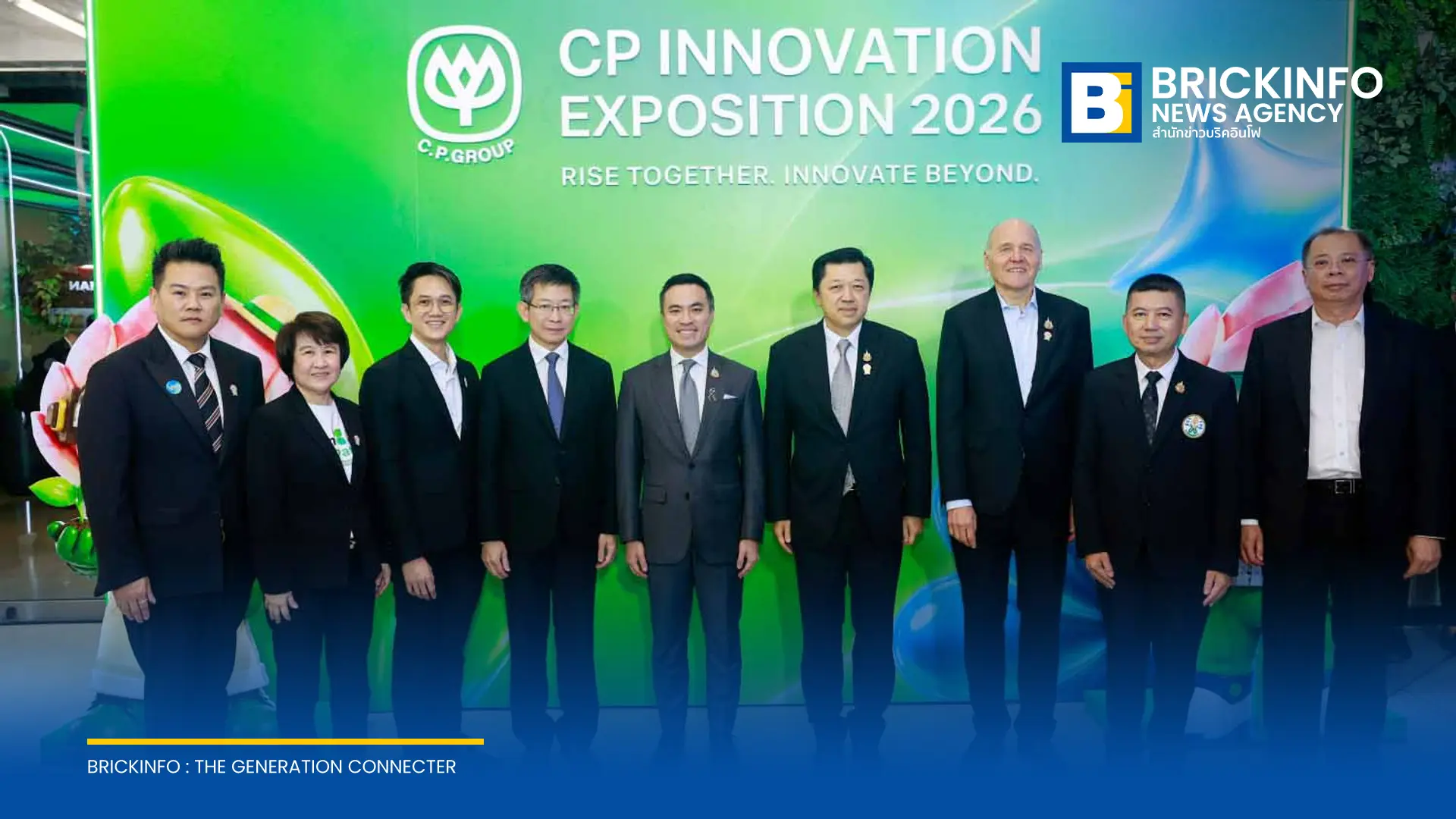
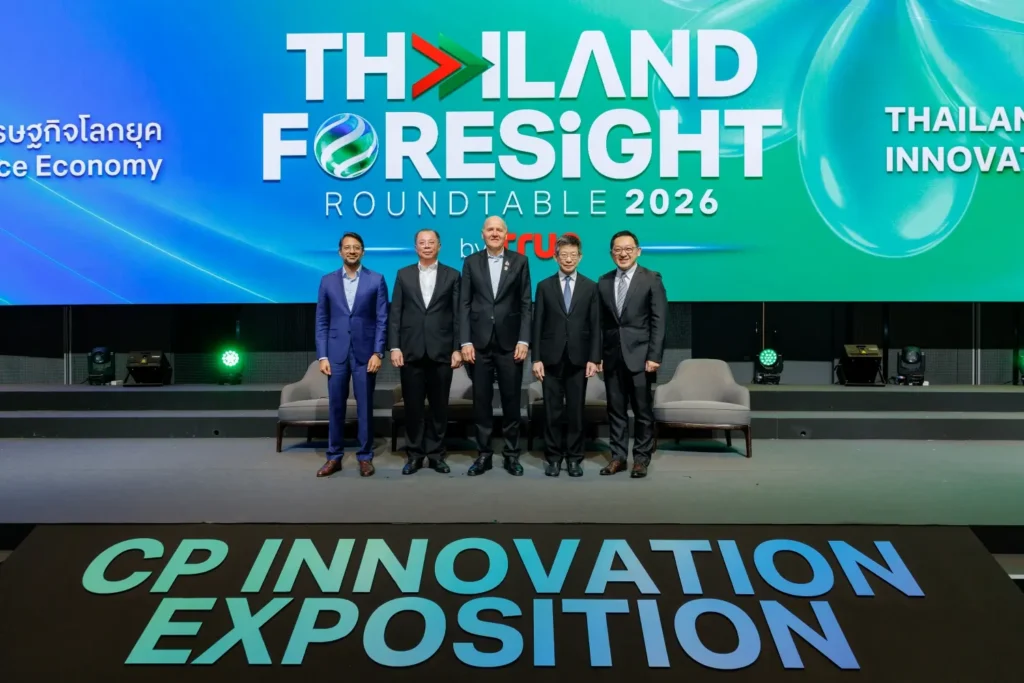
Brickinfo News Agency – Public and private sector leaders gathered at the “Thailand Foresight Roundtable 2026” during the CP Innovation Exposition 2026 at True Digital Park, outlining strategic priorities in clean energy, infrastructure development, and workforce transformation to position Thailand for the emerging artificial intelligence economy.
Energy Minister Akanat Promphan delivered a keynote address on national energy infrastructure, stating that sufficient power supply remains a central advantage in drawing global data center investments to Thailand. To accommodate rising demand from AI-driven operations, the government plans to revise its power generation framework to raise clean energy output from 20% to 50% within a decade, and surpass 65% by 2050. Thailand is also evaluating advanced energy solutions, including small modular reactors (SMRs), to bolster long-term energy security.
Addressing organizational readiness, Sigve Brekke, Group Chief Executive Officer of True Corporation Plc, noted that AI capabilities are doubling roughly every three months, fundamentally shifting competitive landscapes and workflows. Brekke projected that organizations may increasingly shift toward an “Hourglass” operational structure, featuring robust executive decision-making, leaner middle management, and frontline personnel empowered by data and AI to execute responsibilities with direct autonomy.
Dr. Kobsak Pootrakool, Director and Senior Executive Vice President of Bangkok Bank Plc, highlighted that while geopolitical frictions and trade disputes persist, Southeast Asia is benefiting from major capital inflows. He noted that investment promotion applications filed through the Board of Investment (BOI) have grown from 500 billion baht historically to 2.5–2.8 trillion baht annually, with substantial capital targeting data centers, renewable power, and biotechnology. Dr. Kobsak also pointed to regional logistics potential, including proposed connectivity across Thailand’s Andaman coast toward India.
Sachin Chitturu, Partner at McKinsey and Head of QuantumBlack Southeast Asia, underscored that AI systems are advancing from isolated productivity aids to autonomous agents. He cautioned that sustainable transformation requires redesigning end-to-end operating models and establishing clear governance across human-AI decision boundaries, rather than focusing solely on individual task automation. Chula Sukmanop, Secretary-General of the Eastern Economic Corridor Office (EECO), added that targeted infrastructure and high-quality human capital will be essential to supporting automation, data platforms, and next-generation industrial estates across the corridor.