Brickinfo English
SCG Urges Climate Adaptation and Dual-Use Infrastructure to Shield Thai Economy at Sustainability Week Asia 2026

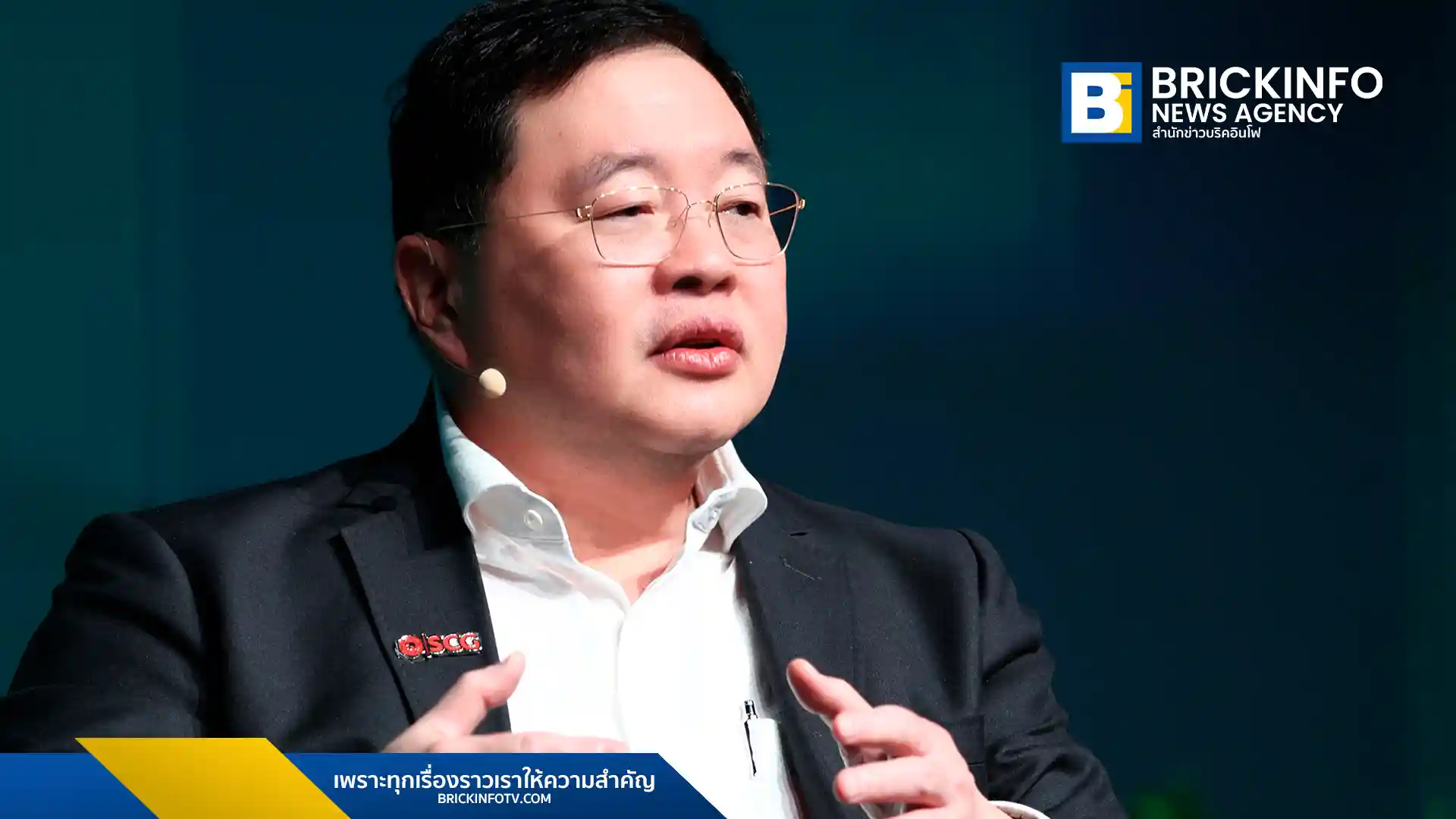
Brickinfo News Agency – SCG has emphasized that climate mitigation alone is no longer sufficient to protect businesses and the national economy from escalating environmental disasters. Speaking at the Sustainability Week Asia 2026 in Bangkok, the Thai industrial conglomerate called for an urgent shift toward climate adaptation and the implementation of dual-use infrastructure to ensure long-term resilience and water security in the face of intensifying floods and droughts.
The climate crisis has transitioned from an environmental concern to a direct business risk affecting production, resource management, and global supply chains. According to Thammasak Sethaudom, President and CEO of SCG, large-scale industries must now operate on two parallel fronts: pursuing Net Zero roadmaps while simultaneously strengthening operational resilience. This approach is managed through Business Continuity Management (BCM), which utilizes area-based risk assessments and scenario simulations to develop response plans that allow businesses to remain competitive despite increasing climate volatility.
Beyond the corporate sector, the impact of climate change poses a significant threat to Thailand’s broader economic stability and public quality of life. As water remains a critical resource for Thai industry, agriculture, and tourism, the country faces a growing duality of risks ranging from severe flooding to prolonged dry spells. To combat this, SCG is advocating for a strategic shift in national planning to prioritize water resilience through collaborative efforts across all sectors.
A key proposal highlighted during the forum is the development of dual-use infrastructure. This concept involves designing national projects that serve everyday public needs while doubling as critical emergency functions during natural disasters. By integrating these functions into the country’s physical foundation, Thailand can better prepare for future shocks without relying on reactive measures.
“Under increasingly extreme climate conditions, adaptation is no longer optional; it is a condition for long-term survival and growth,” stated Thammasak Sethaudom. He reiterated that preparedness starting today is the essential foundation for the country’s future stability, urging policymakers and business leaders to move from idealistic goals to pragmatic, actionable solutions.
The discussions took place during the 5th Annual Sustainability Week Asia, organized by Economist Impact at The Athenee Hotel, Bangkok. The event, held under the theme “From Idealism to Pragmatism,” served as a regional platform for experts and policymakers to exchange insights on accelerating the transition to a sustainable and climate-resilient Asia.