Brickinfo English
Thai Students Develop AI to Detect Liver Fibrosis in 7 Seconds, Aiming to Close Healthcare Gaps

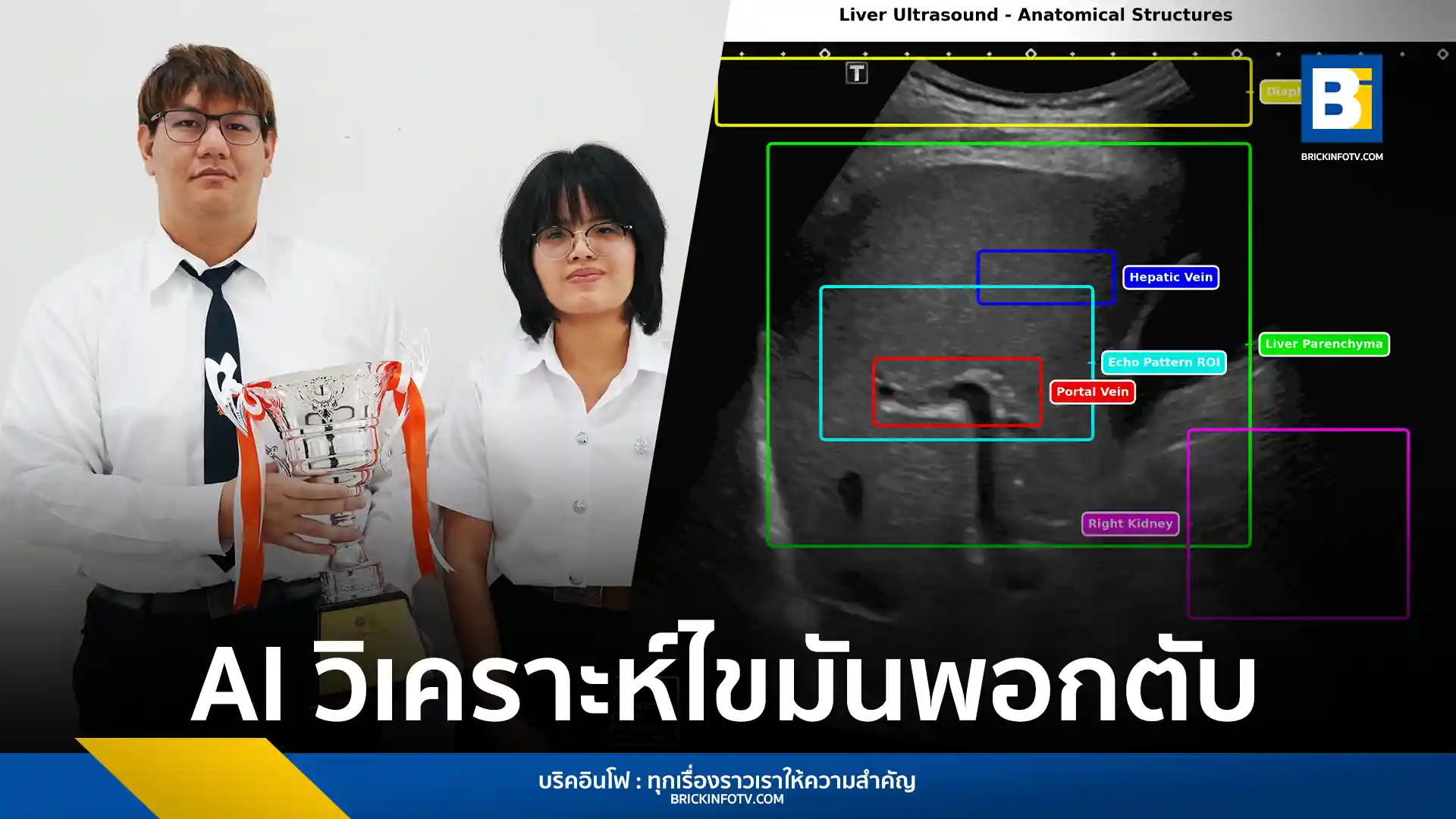
Brickinfo News Agency – Two university students from King Mongkut’s University of Technology Thonburi (KMUTT) have developed SmartLiva, an artificial intelligence system capable of analyzing ultrasound images to detect liver fibrosis and fatty liver disease within just seven seconds. This innovation seeks to address the critical shortage of expensive diagnostic equipment in Thailand, where liver-related conditions affect millions, by providing a high-accuracy, low-cost alternative for early screening and treatment.
The initiative was born out of the Smart Materials Laboratory (SMART LAB) at KMUTT, led by Purinat Polasa, a third-year Computer Engineering student, and Chonlaya Kruewuttikul, a first-year student at the Institute of Field Robotics (FIBO). The project targets a major public health crisis in Thailand, where approximately 20 million people suffer from fatty liver disease, and liver fluke infections remain a severe issue in the Northeast. Without early detection, these conditions often progress to cirrhosis and liver cancer.
“From personal experience seeing close ones undergo liver check-ups, I realized the costs are extremely high,” said Purinat Polasa. He noted that FibroScan machines, which are the standard for such diagnoses, cost between 2.5 to 7 million Baht each and are typically only available in large urban hospitals. “Because of this, the team developed an intelligent AI that can read ultrasound images accurately and quickly, making liver disease diagnosis more accessible and convenient for everyone,” he explained.
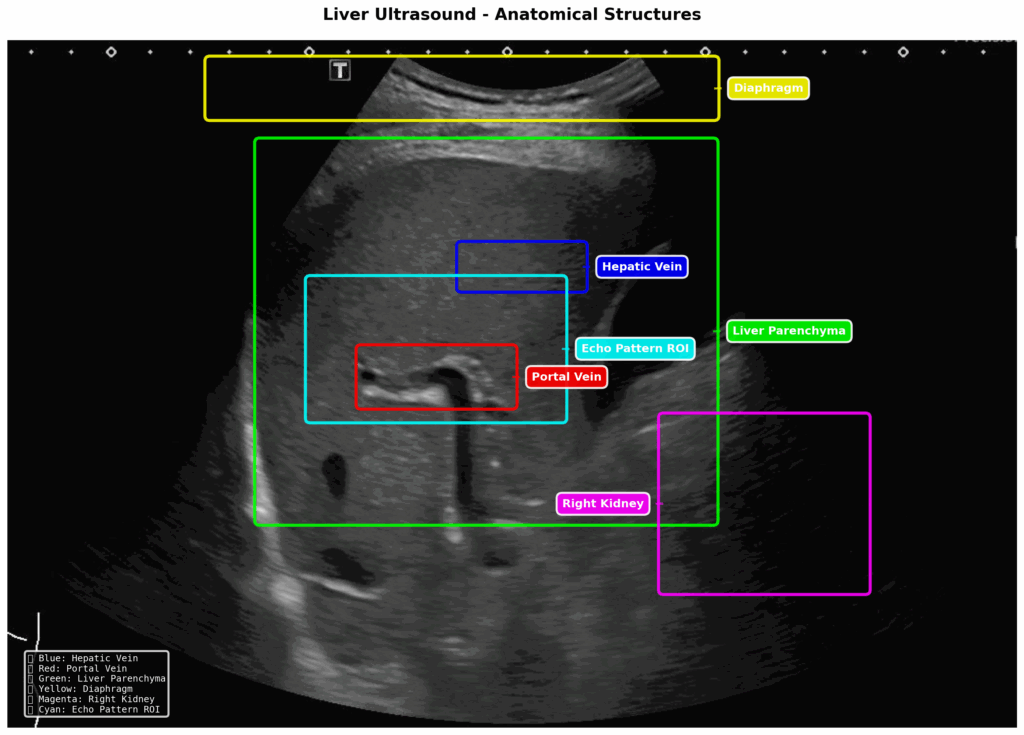
SmartLiva functions as a digital upgrade for standard black-and-white ultrasound scans. By uploading images to a web-based platform, the AI enhances the visual clarity, isolates the liver tissue, and applies color-coded highlights—such as red for the liver and yellow for fat—to make abnormalities immediately visible. The system evaluates three key areas simultaneously: liver fibrosis stages (F0–F4), tissue abnormalities like cysts or tumors, and the presence of liver flukes, eventually generating a comprehensive report for medical staff.
According to Chonlaya Kruewuttikul, the system’s performance has been highly effective during testing. “The system can evaluate cirrhosis stages with 92% accuracy, detect abnormal tissue at 87%, and identify liver flukes at 84%,” she stated. She emphasized that the processing time has been slashed from over 30 minutes in some traditional settings to just seven seconds. “We see this innovation as a way to bridge the diagnostic gap for early-stage liver disease, which is often difficult to detect and prone to error,” she added.
Beyond its speed, SmartLiva significantly reduces the financial burden on patients. The cost of a liver screening can drop by 77%, from thousands of Baht down to approximately 200–300 Baht. This allows smaller community hospitals without expensive hardware to perform screenings, reducing overcrowding in major medical centers. The team is currently working on evolving the system into an Explainable AI (XAI) and developing a portable version for use in remote clinics, with future plans to expand the AI’s capabilities to detect blood clots in stroke patients.
The innovation recently secured the first-prize I-New Gen Award 2026 in the Health and Medicine category at Thailand Inventors’ Day 2026. By leveraging AI to solve national healthcare challenges, the project demonstrates how local technological advancements can serve as a key driver for medical equality and sustainability within the Thai public health system.